
Home » Bottom Rolling Sliding Hangar Doors
USA’s Trusted Bottom Rolling Sliding Hangar Door Contractor
We support FBO managers, MRO directors, airport facility chiefs, general contractors, military engineers, and corporate flight departments by delivering bottom rolling sliding hangar door design, fabrication, installation, retrofit, and maintenance services.
Our solutions feature custom-engineered panels, precision track systems, heavy-duty bogies, and PLC/VFD-controlled operators built for heavy-duty cycles, full wind and seismic compliance, and reduced downtime nationwide.
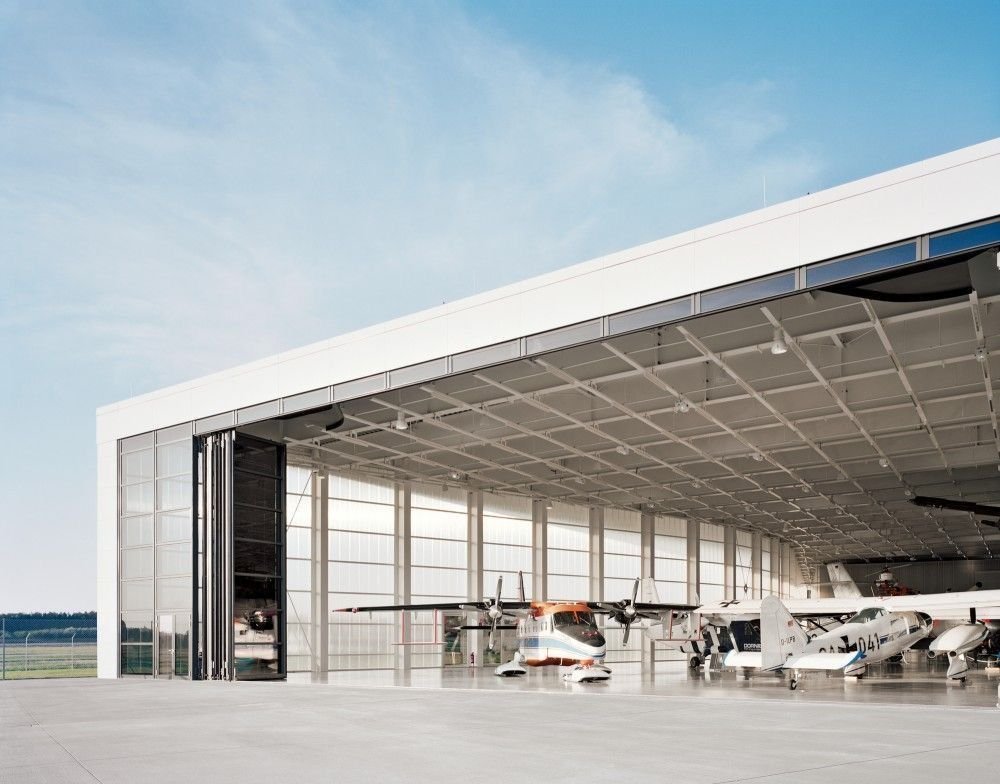
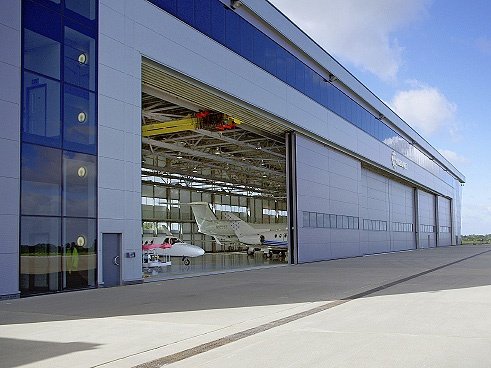
Why Choose Our Bottom Rolling Sliding Doors?
- Engineered bottom-rolling track systems for large clear openings.
- Wind, snow, and seismic load design per U.S. codes and conditions.
- Retrofit experts for out-of-tolerance slabs and misaligned panels.
- Corrosion-resistant materials for coastal and high-humidity sites.
- Rapid repair & parts supply to reduce AOG downtime.
- Advanced safety controls: interlocks, photo eyes, e-stops, and access integration.
- Nationwide crews experienced airport security and GC coordination.
- 15+ years of proven engineering expertise in aviation access solutions.
- Delivered 65+ projects across Asia, including civil aviation hubs and military airbases.
- Trusted for durability, reliability, and compliance with international standards.
- Supported with complete installation, maintenance, repair, and retrofit services.
Key Features
Each Bi-Fold Hangar Door is supported through our complete service approach:
- Bottom Rolling Mechanism: Panels glide on heavy-duty rollers, ensuring smooth, controlled movement.
- Durable Construction: All-metal door panels and guide systems designed for long-term reliability in demanding climates.
- Custom Configurations: Available in single-direction or bi-parting sliding formats, adaptable to apron layouts and site requirements.
- Large-Scale Capability: Suitable for aircraft doors exceeding 100 meters, handling wide-body and defense-grade aircraft access.
- Low Maintenance: Rugged construction minimizes wear, ensuring reduced downtime.
- Operational Safety: Engineered with locking systems to withstand heavy wind loads and secure hangar interiors.
- Telescopic Doors: Designed to maximize clear openings for the bottom rooling doors while reducing apron space requirements, offering flexibility for constrained sites.
Bottom Rolling Sliding Hangar Doors Applications
- Civil Aviation Hangars – ensuring reliable operation for airports handling frequent aircraft movements.
- Military Airbases – hardened sliding doors suited for secure aircraft shelters.
- MRO Facilities – robust solutions for heavy-duty maintenance and overhaul operations.
- Aircraft Manufacturing Plants – supporting controlled environments for assembly and testing.
Our Services After Sales Lifecycle
Every Bottom Rolling Hangar Door is supported by our comprehensive service model:
- Installation – delivered and commissioned by skilled engineering teams.
- Maintenance – preventive programs to maximize reliability.
- Repair – fast-response solutions to minimize operational downtime.
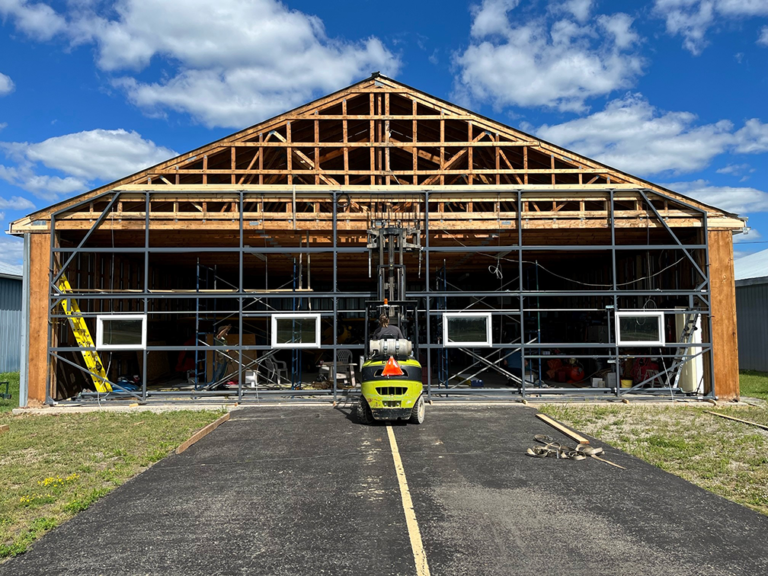
- Retrofit – modernization of existing sliding door systems with advanced automation and sealing technology.
Technical Highlights
Lorem Ipsum is simply dummy text of the printing and typesetting industry. Lorem Ipsum has been the industry’s standard:
- Robust Track System: Rollers and bottom tracks engineered for smooth, long-term use.
- Customizable Sizes: Adaptable for both medium and ultra-wide aircraft hangars.
- Weather Resistance: Integrated sealing systems protect against dust, rain, and wind infiltration.
- Minimal Downtime: Designed with reinforced materials to reduce service frequency.
- All-Metal Build: Steel-framed doors with precision-aligned rails.
- Smooth Operation: Tracks and rollers designed for minimal friction.
- Weather Protection: Resistant to rain, dust, and strong wind loads.
- Automation Ready: Compatible with modern control and automation systems for added efficiency.
Frequently Asked Questions (FAQ) – Bottom Rolling Sliding Hangar Doors
What are Bottom Rolling Sliding Hangar Doors and where are they typically used?
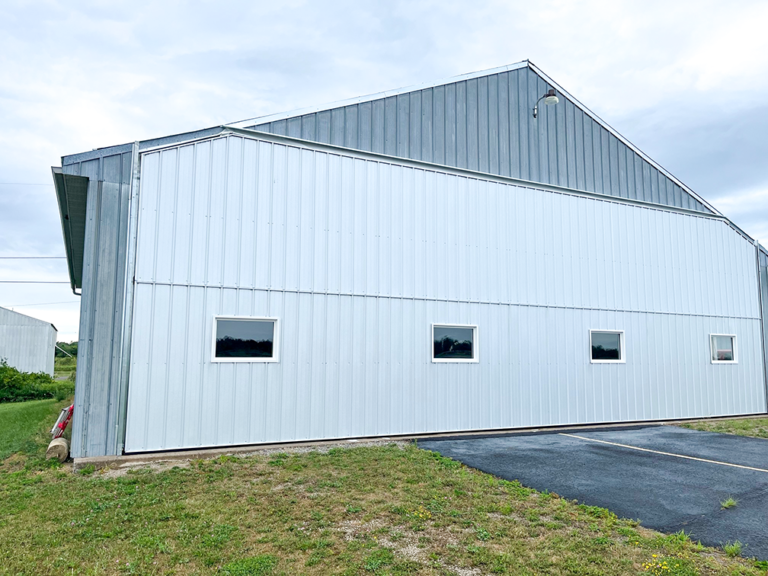
Bottom Rolling Sliding Hangar Doors, also known as UNIDOR Bottom Rolling Doors, are large-span door systems that operate by sliding along heavy-duty floor rails with the support of rollers. They are particularly suitable for aircraft assembly hangars, wide-body maintenance bays, civil aviation terminals, and military airbases. Unlike vertical lift or telescopic systems, bottom rolling doors excel in extremely large openings where strength, reliability, and long-term durability are the primary requirements.
How do Bottom Rolling Hangar Doors handle large aircraft such as wide-body jets or military planes?
These doors are specifically designed to manage very wide openings, often exceeding 100 meters in span. Each panel is guided by a robust rolling mechanism at the bottom and supported structurally at the top. This allows the system to cover the full aperture required for wide-body jets (e.g., A380, C-17 Globemaster) or multiple aircraft parked side-by-side in a hangar. The bottom rolling design also ensures that the doors can operate smoothly in high wind conditions, which is critical for open-apron airbases and coastal airports.
What are the advantages of Bottom Rolling Sliding Hangar Doors compared to other hangar door types?
The main advantages include:
- Large-Span Capability: Unlike bi-fold or vertical lift doors, bottom rolling systems are not limited by vertical clearance or panel folding mechanics, making them ideal for very wide aircraft hangars.
- Durability: All-metal construction ensures long-term reliability even in extreme climates such as coastal regions or desert bases.
- Simplicity of Operation: The rolling mechanism is straightforward, reducing wear and tear and extending operational life.
- Flexibility: Can be configured as single-direction sliding or bi-parting systems depending on apron layout and site constraints.
Are Bottom Rolling Hangar Doors weatherproof and suitable for different climates?
Yes. Our bottom rolling systems are engineered for all-weather durability. They are equipped with weather seals to protect against rain, dust, and wind ingress. The steel and metal construction is treated to resist corrosion in coastal environments and reinforced to withstand high wind loads. This makes them equally effective in hot desert climates, tropical conditions, and high-rainfall regions.
How are these doors maintained and what is their typical service life?
Bottom Rolling Hangar Doors are known for their long lifecycle and low maintenance requirements. The primary service needs are:
- Track and Roller Alignment: Regular inspections ensure smooth panel movement.
- Lubrication: Rollers and moving parts require periodic lubrication to maintain efficiency.
- Seal Integrity Checks: Weather seals should be inspected and replaced when worn.
Can Bottom Rolling Sliding Hangar Doors be automated?
-
Yes. While the core design is mechanical, our systems are fully compatible with modern automation and control modules. This allows facility managers to integrate:
- Push-button or remote control operation.
- Safety interlocks that prevent movement if the hangar floor is obstructed.
- Advanced door management systems with monitoring sensors for real-time status reporting.
How do Bottom Rolling Hangar Doors compare to Vertical Lift or Telescopic Hangar Doors?
- Vertical Lift Fabric Doors are ideal for space-constrained hangars with limited apron clearance.
- Telescopic Sliding Doors are preferred for medium to large spans where stacked-panel efficiency is required.
- Bottom Rolling Sliding Doors are the best choice for extremely large openings and heavy-duty applications, especially in military and wide-body aircraft hangars.