
Home » Bi-Fold Hangar Doors
Bi-Fold Hangar Doors
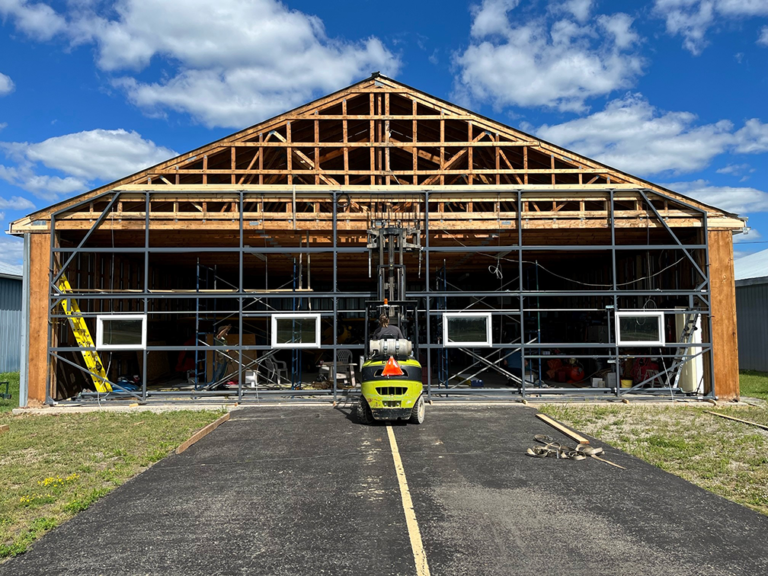
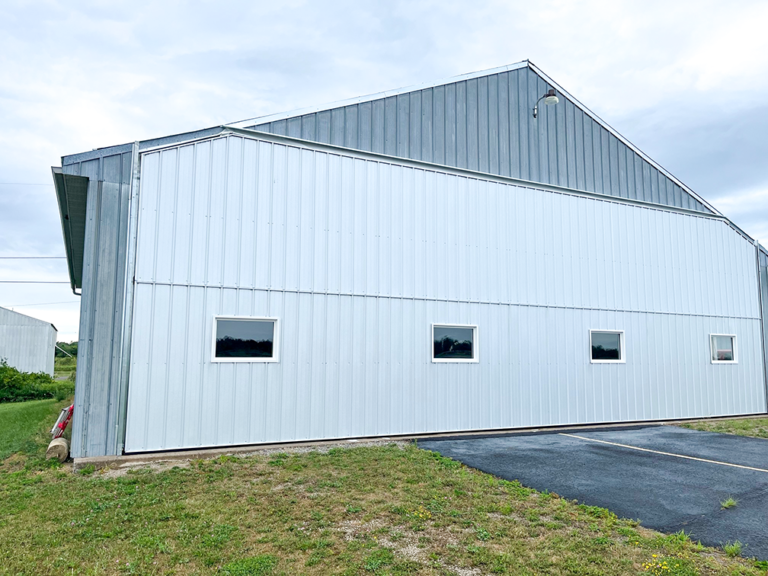
We engineer Bi-Fold Hangar Doors that combine simplicity, durability, and operational efficiency. These doors are a preferred solution for general aviation hangars, helicopter facilities, and mid-sized MRO operations where space efficiency and reliability are essential.

Why Choose Bi-Fold Hangar Doors?
Bi-fold hangar doors are a smart, space-saving solution designed for both functionality and efficiency. Engineered to fold upward, they maximize apron space and streamline daily operations.
- Compact Folding Mechanism: Door panels fold upward, reducing apron clearance requirements.
- Energy Efficiency: Sealed joints minimize air leakage, improving climate control inside the hangar.
- Ease of Use: Available with full automation or manual operation for smaller hangars.
- Customizable Design: Engineered to fit a wide range of hangar sizes and operational needs.
- Cost-Effective: Simple structural requirements make bi-fold doors a budget-friendly yet durable solution.
Service Lifecycle
Each Bi-Fold Hangar Door is supported through our complete service approach:
- Installation – precise engineering and assembly.
- Maintenance – routine inspections and preventive care to extend lifespan.
- Repair – fast service support for any operational issues.
- Retrofit – upgrade of older bi-fold systems with modern automation and sealing technologies.
Applications in Aviation
- General Aviation Hangars – lightweight yet robust for small and medium aircraft storage.
- Helicopter Hangars – reliable access solutions with minimal structural footprint.
- MRO Facilities – suited for mid-sized maintenance and repair operations.
- Private & Corporate Hangars – compact, efficient solutions for executive aviation.
Engineering Commitment
With more than 15 years of expertise and 65+ successful projects delivered across Asia, We ensures that every Bi-Fold Hangar Door delivers performance, reliability, and long-term value for aviation operators worldwide.
Technical Highlights
Lorem Ipsum is simply dummy text of the printing and typesetting industry. Lorem Ipsum has been the industry’s standard dummy text ever since the 1500.
- Structural Durability: Reinforced steel framing ensures long service life.
- Weather Protection: Tight sealing systems defend against dust, wind, and rain intrusion.
- Smooth Operation: Precision hinges and lifting systems provide reliable daily use.
- Automation-Ready: Can be equipped with advanced control systems for safe and efficient operation.
- Safety Standards: Designed to meet international aviation and industrial compliance requirements.
Frequently Asked Questions (FAQ) – Bi-Fold Hangar Doors
What types of aviation facilities typically use Bi-Fold Hangar Doors?
Bi-Fold Hangar Doors are widely used in:
- Private aviation hangars for single and twin-engine aircraft.
- Helicopter hangars, where fast access and smaller openings are common.
- General aviation facilities at regional airports.
- Medium-sized MRO hangars require secure, energy-efficient doors without the complexity of large-scale sliding systems.
What are the main advantages of Bi-Fold Hangar Doors?
Bi-Fold Doors offer several benefits for aviation operators:
- Compact Folding Design: Panels fold upward, requiring minimal apron clearance.
- Energy Efficiency: Sealed joints reduce air leakage, improving insulation.
- Ease of Operation: Can be powered with electric motors or operated manually on smaller hangars.
- Lower Cost of Ownership: Fewer moving parts compared to telescopic or bottom rolling doors mean reduced maintenance.
- Safety Features: Equipped with automatic locking mechanisms and obstruction detection to prevent accidents during operation.
How do Bi-Fold Hangar Doors perform in terms of safety and reliability?
Safety is a critical consideration in aviation hangar design. Bi-Fold Doors are equipped with:
- Redundant lifting systems (cables or straps) to prevent panel free-fall in the event of a failure.
- Automatic locking pins that secure the panels in place when closed.
- Obstacle sensors to stop the door if an aircraft, vehicle, or personnel is in the path.
- Compliance with international safety standards, ensuring reliable operation in aviation facilities worldwide.
Are Bi-Fold Hangar Doors weatherproof?
Yes. These doors are designed with tight-sealing joints and insulation options that prevent wind, rain, and dust from entering the hangar. They are particularly effective in regions where climate control inside the hangar is important (e.g., facilities housing sensitive avionics, helicopters, or smaller aircraft). Optional insulation packages further enhance thermal efficiency, reducing HVAC costs.
What kind of maintenance is required for Bi-Fold Hangar Doors?
Bi-Fold Doors require relatively low maintenance compared to larger telescopic or bottom rolling systems. Regular inspections focus on:
- Hinge and pivot points, which must be lubricated and checked for wear.
- Lift cables or straps, which should be inspected and replaced periodically.
- Seals and insulation, which should be checked for integrity.
How do Bi-Fold Hangar Doors compare with other hangar door systems?
- Compared to Vertical Lift Fabric Doors, Bi-Fold systems are sturdier and provide better insulation but require more internal clearance.
- Compared to Telescopic Sliding Doors, they are more compact and cost-effective for smaller spans but cannot match the massive clear-span capability of telescopic systems.
- Compared to Bottom Rolling Doors, Bi-Fold systems are less suitable for very large hangars but are easier to maintain and operate for small to mid-sized aviation applications.